
Harlingen Garage Door Guide
What Actually Happens During a Harlingen Service Call
In Harlingen, most homes date from 1984 to 2001, and the heat here is rated severe. Here's what a garage door service call actually checks and costs here.
- Licensed & Insured
- Same-Area Service Calls
- Upfront Pricing
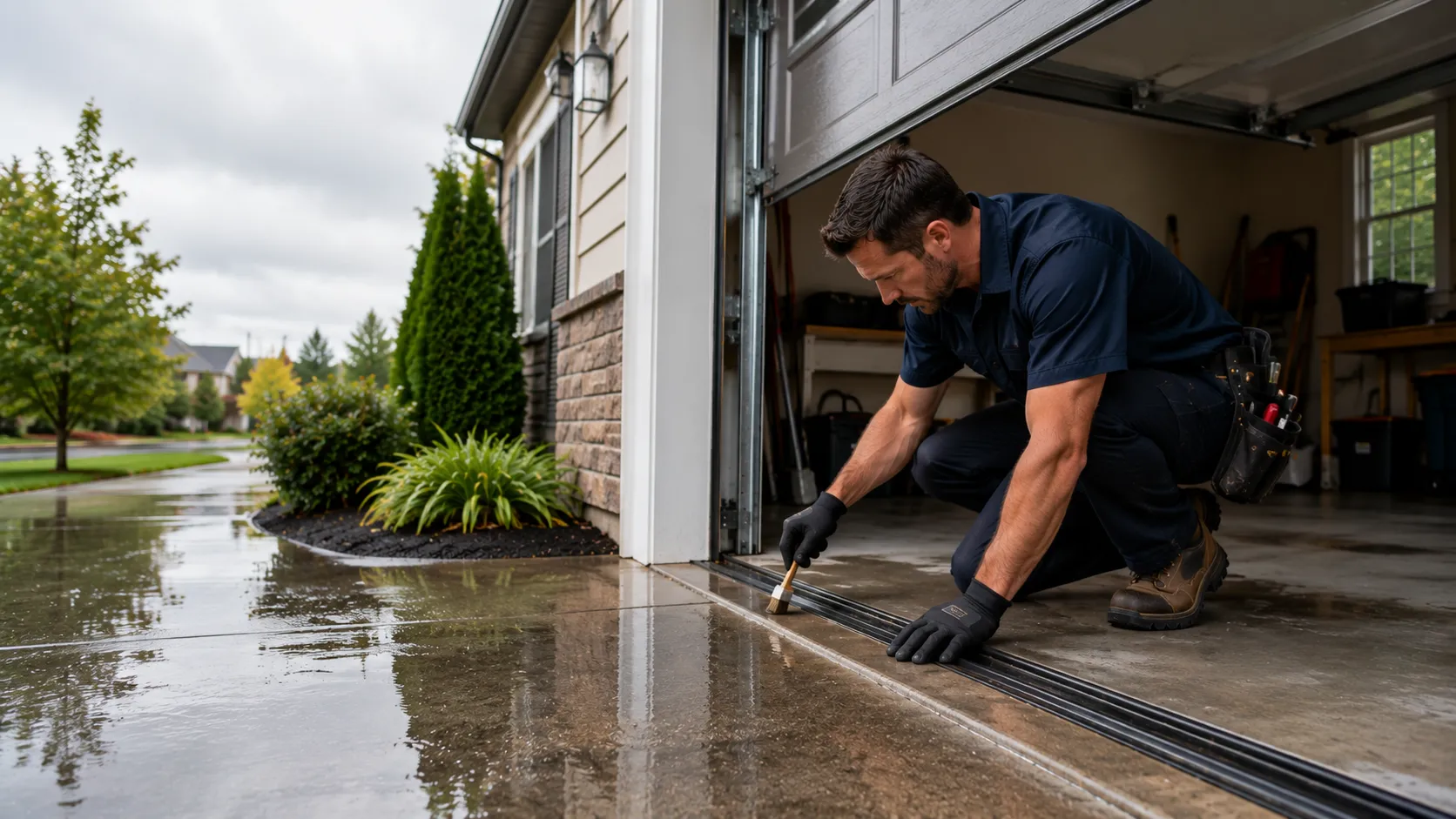
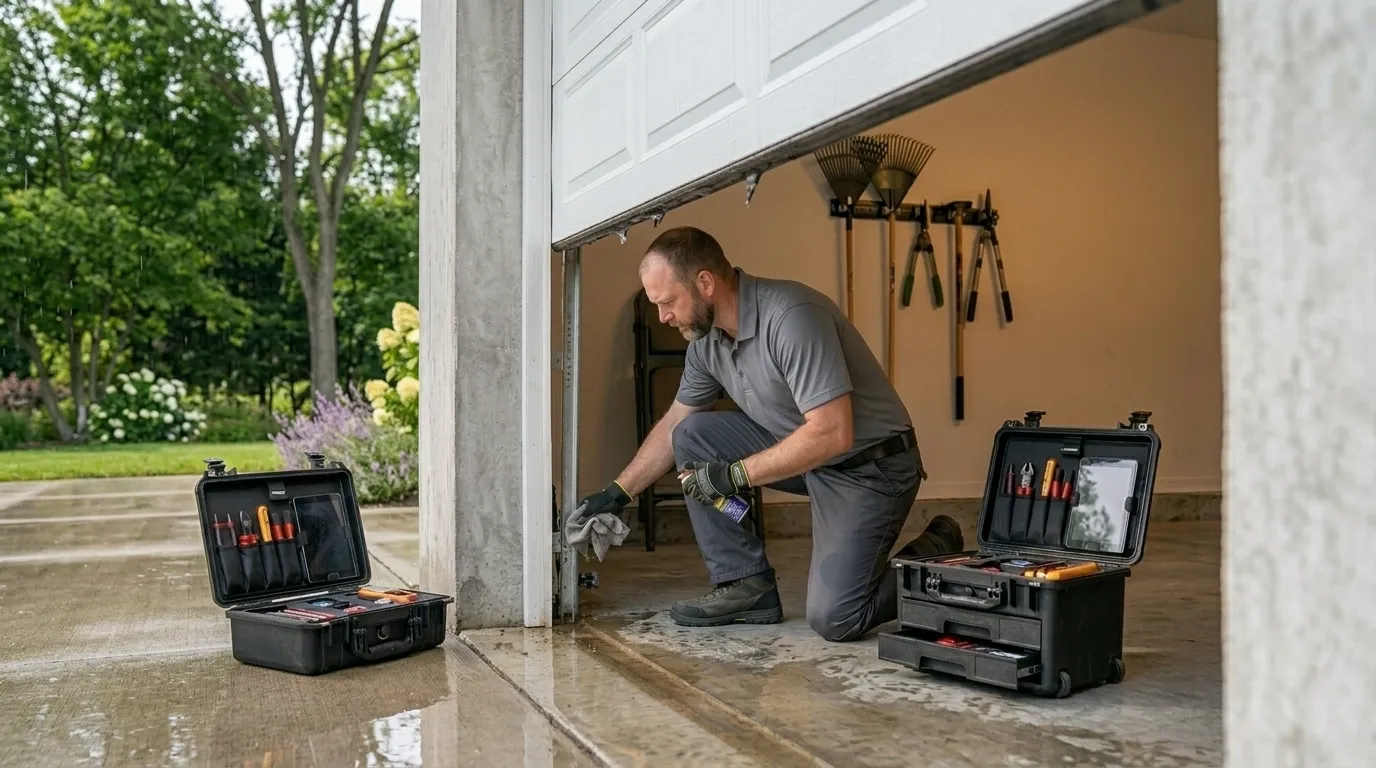
When It Stops Being a DIY Job
Most houses in this service area went up between 1984 and 2001, with a median build year of 1992. That's the sweet spot where a lot of original sectional doors are still hanging on the same torsion springs and rollers they came with. A homeowner can safely tighten a loose bracket or clear a track of debris.
What you shouldn't touch is the spring itself. A torsion spring on a door built in that era is wound to a tension that hasn't been touched in three decades, and the steel has fatigued in ways you can't see from the garage floor. If the door won't open, if it's off by more than an inch on one side, or if you hear a bang followed by the door refusing to move, that's a broken spring or a cable off the drum, not a tune-up.
Same goes for anything involving the opener's high-voltage wiring or a bent track that's binding the rollers. Past that point you're either calling someone or you're buying a trip to the ER. We'd rather get the call before the door comes off the hinges than after.
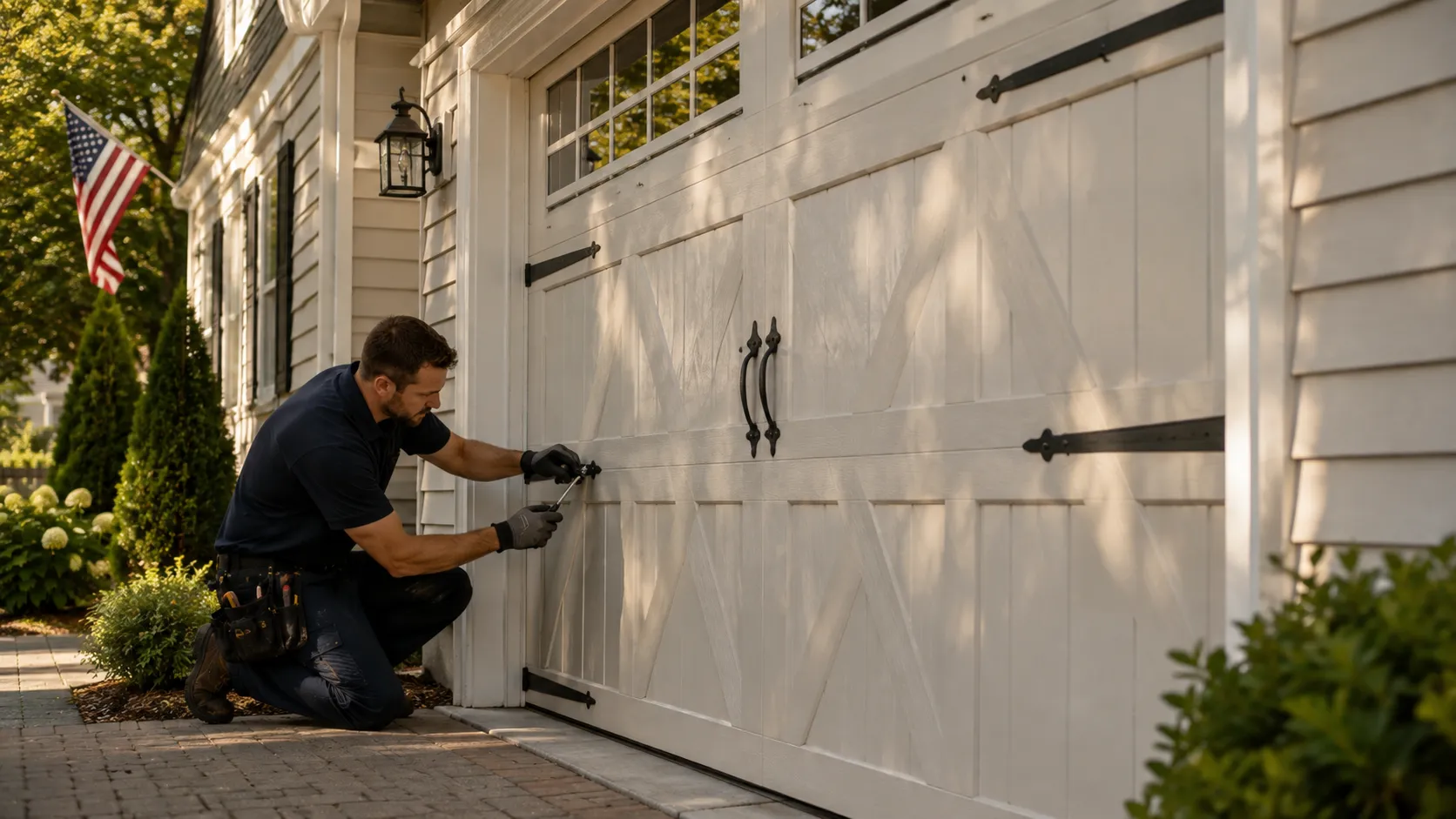
The Cost of This Job
We don't publish a flat number here because the job depends on what's actually failed and what your door is made of, and we don't have pricing data to hand you a figure that would hold up across every driveway in the area. What we can tell you is how owners here tend to decide. With a median household income of $45,052 across this service area, most calls we get are for repair first, not replacement - a new spring, a new opener logic board, a cable and drum set - because it keeps the existing door in service instead of starting over.
Full replacement gets considered when the door itself has warped, when the panels are rusted through at the bottom, or when the springs have failed more than once in a short span. A service call starts with the tech pricing the actual failed part in front of you, not a guess over the phone. That's the honest limitation here: we can't quote a repair sight unseen, because a spring job on a two-car door and a bent-track job on the same door are not the same money.
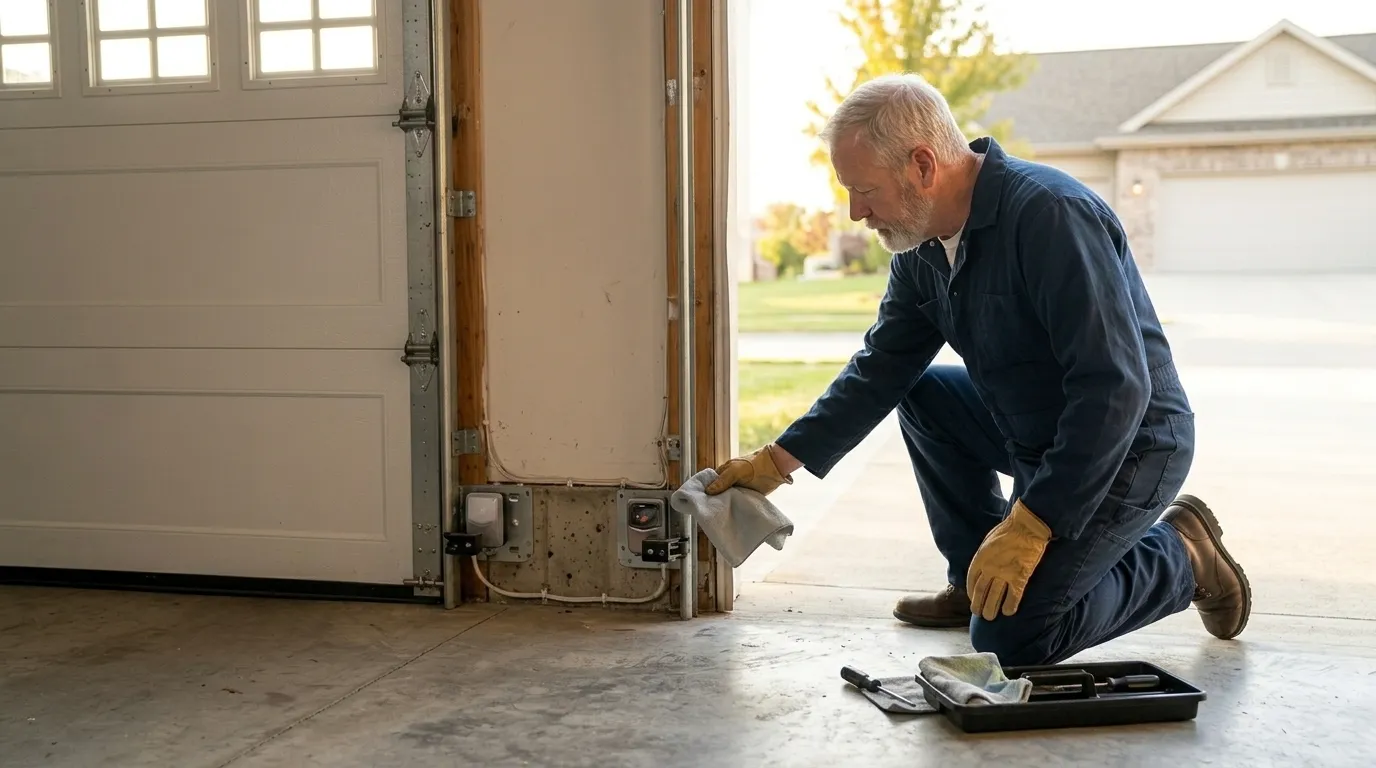
How Local Conditions Play In
Harlingen sits in a severe heat band, and that matters more for a garage door than most people expect. Steel panels expand in the afternoon and contract overnight, and on a door built in the 1980s or 90s - which describes most of the stock across the 25 named areas in this service territory - that daily flex has been happening for over thirty years. It shows up as hairline cracks in old paint, panels that bind in their tracks by midsummer, and weatherstripping at the bottom of the door that's gone brittle and stopped sealing.
' It didn't just start. It's been working up to it since the house was built. A tech checking a door here looks at the track alignment and the bottom seal first, because in this heat, those are the parts that move the most and get blamed the least.
What Is Going On
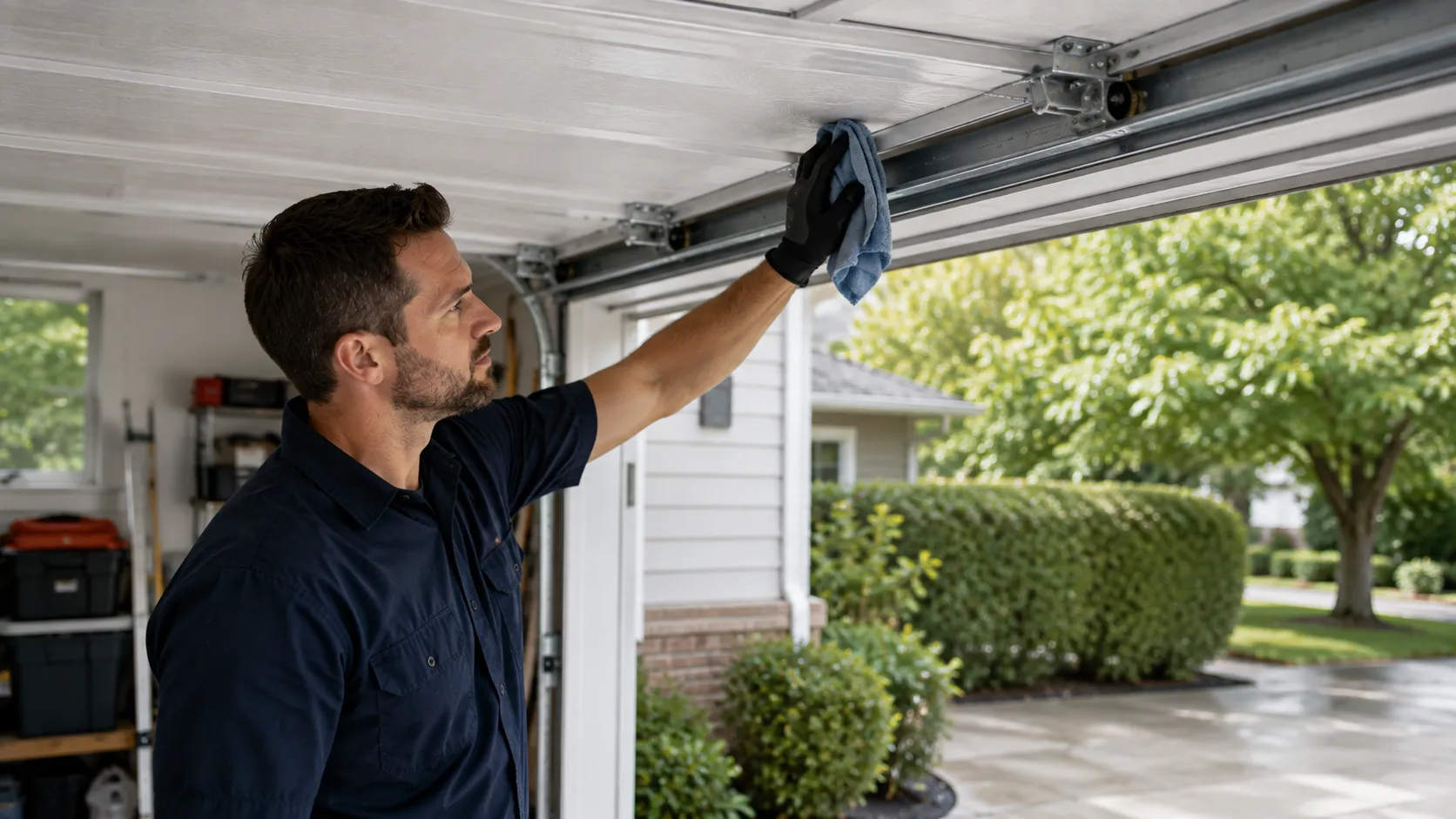
When a tech walks up to a service call, the first thing they're doing is ruling things out, not guessing. They'll cycle the door by hand with the opener disconnected to feel whether the resistance is in the springs, the rollers, or the track. On a door from the 1984-2001 build era that's typical across this area, the usual suspects are a fatigued torsion spring, a roller that's worn its track groove wider than it should be, or a cable that's frayed at the drum.
They're also checking whether the opener's force settings have drifted, which happens slowly over years and often gets misread as a spring problem. Across a service area with roughly 48,414 households and 25,988 owner-occupied houses stretching from Primera four miles out to Midway North twenty miles away, the pattern repeats: original hardware, original springs, decades of heat cycling. The diagnosis is rarely mysterious once someone's hands are actually on the door.
It's the waiting until the door is fully stuck that turns a small job into a bigger one.
How We Can Help
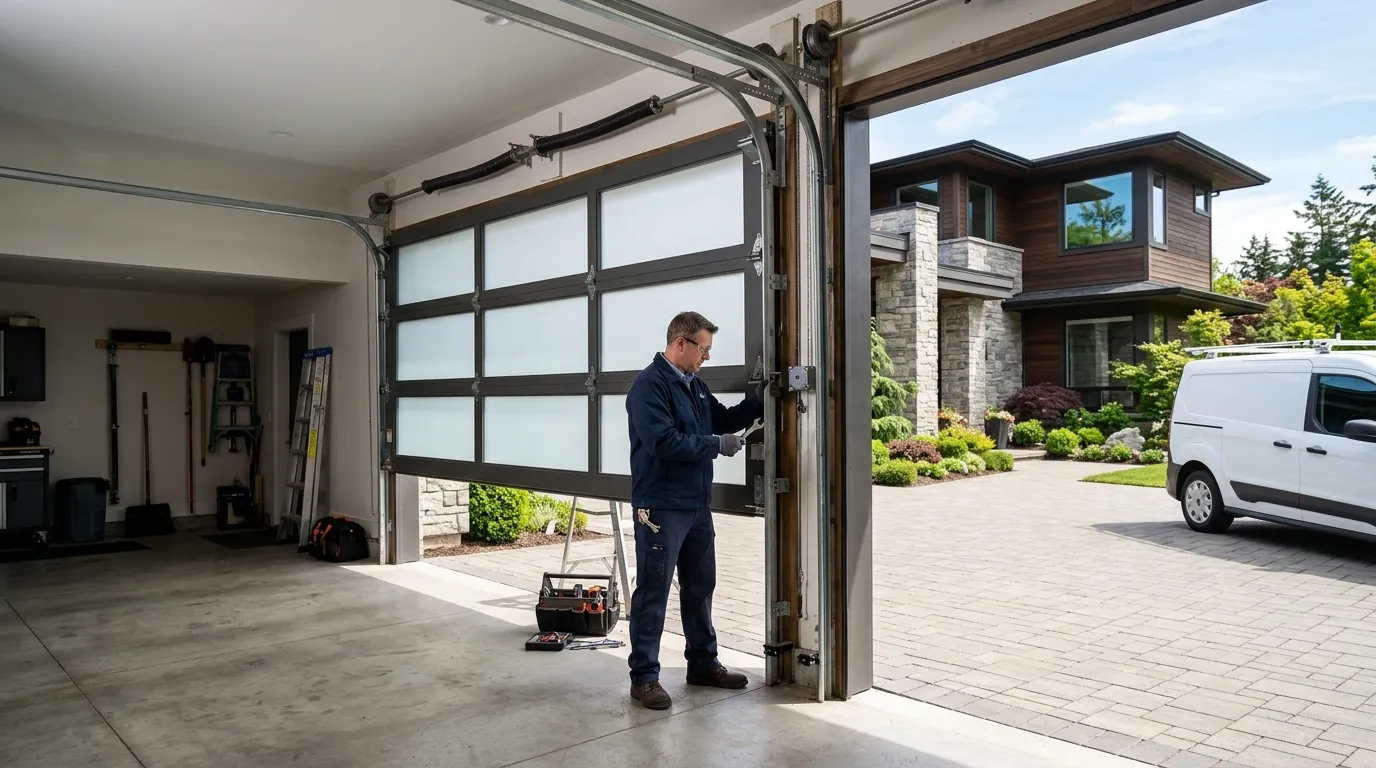
Garage Door Repair
Springs, cables, tracks, rollers, and openers fixed by a tech who explains the problem before touching anything.
Learn more →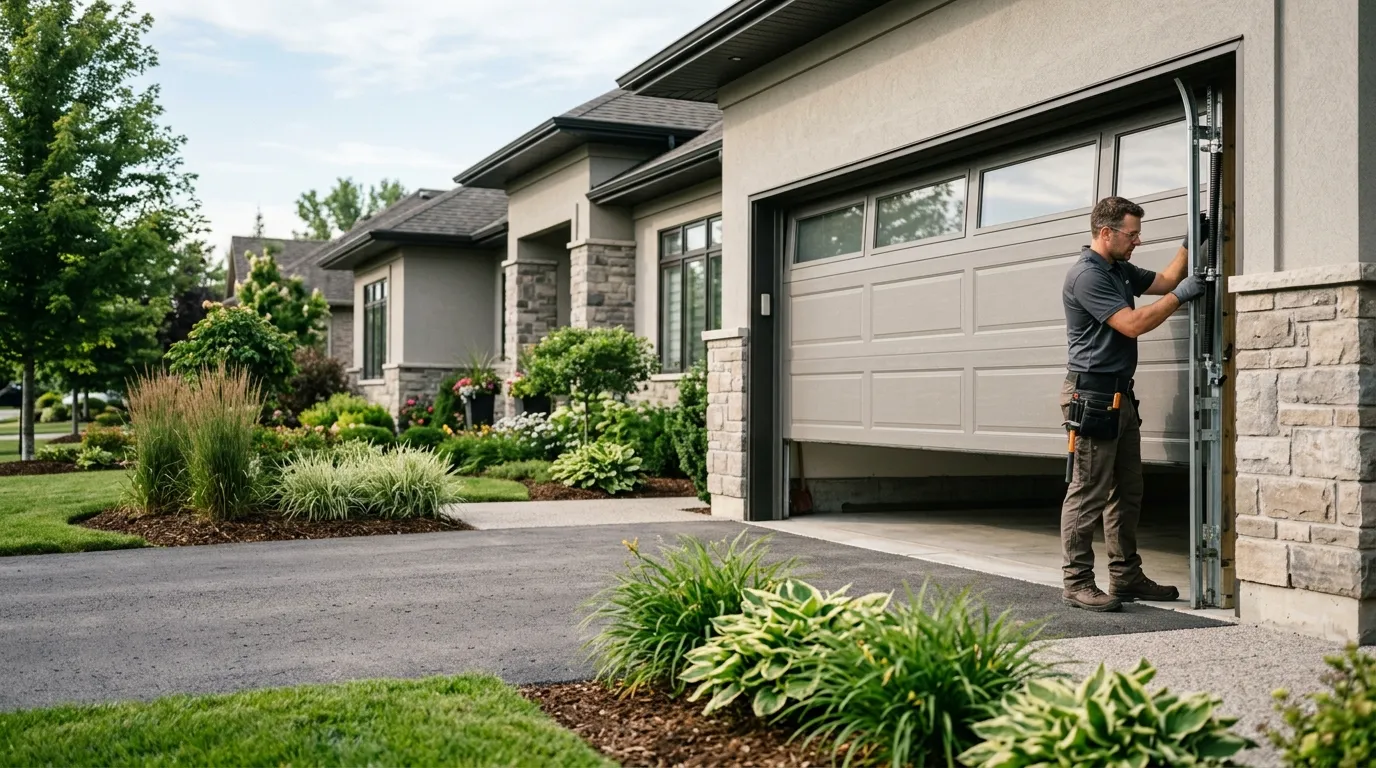
Garage Door Installation
New sectional doors sized and installed for the housing stock actually built in this area.
Learn more →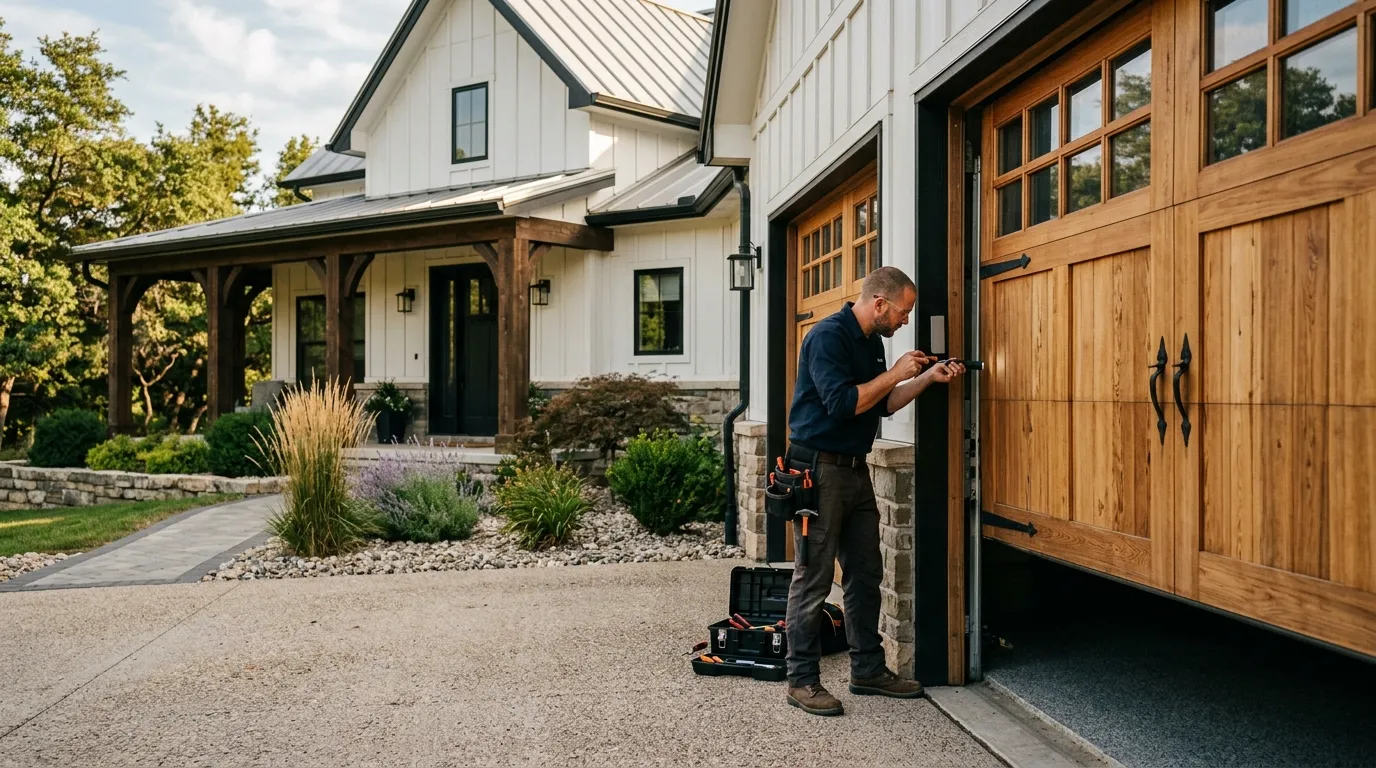
Garage Door Service
Tune-ups, lubrication, and safety checks that catch a small problem before it becomes a service call.
Learn more →Frequently Asked Questions
How do I know if it's the spring or the opener?
Disconnect the opener using the release cord and try lifting the door by hand. If it feels heavy, uneven, or won't stay up on its own, the spring has lost tension or broken. If the door moves fine by hand but won't respond to the remote or wall button, the problem is in the opener, not the spring.
Why does my door stick more in summer?
Harlingen's heat band is rated severe, and steel panels expand during the day and contract at night. On an older door, that daily flex can cause the panel to bind slightly in the track by afternoon, especially if the rollers or track alignment have drifted over the years.
Is it worth repairing a door from the 1990s or should I replace it?
It depends on what's failed. A spring, cable, or opener repair on a door from that era is usually straightforward and keeps the door in service. Replacement makes more sense once the panels themselves are warped, rusted, or the door has needed the same repair more than once.
Can I just tighten the springs myself?
No. Torsion springs are wound under high tension and adjusting or replacing them without the right bars and clamps is one of the more common ways people get seriously hurt in a garage. Everything else on the door is fair game for a careful homeowner; the spring isn't.
Have a Door That Needs a Second Opinion?
Call and describe what it is doing - we will tell you what it likely is.